
AI Smart Tech For Business Procurement And Savings

AI smart tech is transforming business procurement. It offers new ways to save money and time. Businesses are increasingly turning to AI for procurement solutions. This shift is driven by the need for efficiency and cost savings. AI can automate repetitive tasks, freeing up human resources. This allows teams to focus on strategic activities.
Digital procurement solutions enhance accuracy and speed. They process large volumes of data quickly and efficiently. AI-driven sourcing tools identify cost-saving opportunities. They analyze market trends and supplier performance for better decision-making. Intelligent procurement software predicts demand and optimizes inventory. This reduces waste and lowers costs. AI supply chain solutions improve transparency and traceability. They enhance compliance and risk management. The future of procurement is digital, with AI at its core. Businesses that embrace this technology will gain a competitive edge.
The Evolution of Procurement: From Manual to AI-Driven
Procurement has transformed significantly over the years. Initially, it relied heavily on manual processes and paperwork. Human effort was essential for every transaction.
In the early days, procurement tasks were labor-intensive. Professionals painstakingly managed supplier relationships and sourcing manually. This process was time-consuming and prone to errors.
Then, the digital revolution took center stage. Software solutions began to replace paper-based methods. Digital procurement solutions helped streamline operations, improving speed and accuracy.
Today, AI is the driving force behind procurement advancements. It automates routine tasks and provides data-driven insights. This leads to faster decision-making and strategic advantage.
The shift from manual to AI-driven procurement offers numerous benefits. Businesses experience enhanced efficiency and reduced costs. AI tools ensure more precise spending and better resource allocation.
Key Milestones in Procurement Evolution
- Manual processes and paperwork
- Transition to digital solutions
- Introduction of AI in procurement
As AI adoption grows, businesses become more agile in procurement. They can respond rapidly to market changes and supplier dynamics. Embracing AI secures a competitive edge in an ever-evolving landscape.
Key Benefits of AI Smart Tech in Procurement
AI smart technology brings significant advantages to procurement. It automates tedious tasks, allowing teams to focus on strategic areas. Human resources are thus freed up to add more value.
AI enhances the accuracy of data processing. It rapidly analyzes massive data volumes with high precision. This leads to faster, more informed decisions.
Moreover, AI-driven sourcing tools unveil cost-saving opportunities. By examining market trends, these tools highlight the best purchasing strategies. Businesses can maximize their savings potential.
Intelligent procurement software optimizes demand forecasts. By predicting inventory needs, it reduces waste and excess costs. Companies gain greater control over their stock levels.
AI tools also boost supplier relationship management. They provide insights into supplier performance and reliability. This helps in maintaining strong, beneficial partnerships.
Real-time analytics offered by AI solutions bolster decision-making processes. Organizations gain instant visibility into procurement activities. This transparency supports prompt, effective responses to challenges.
Key Benefits of AI Smart Tech
- Automates repetitive tasks
- Enhances data processing accuracy
- Identifies cost-saving opportunities
- Optimizes inventory management
- Supports supplier relationship management
- Provides real-time analytics
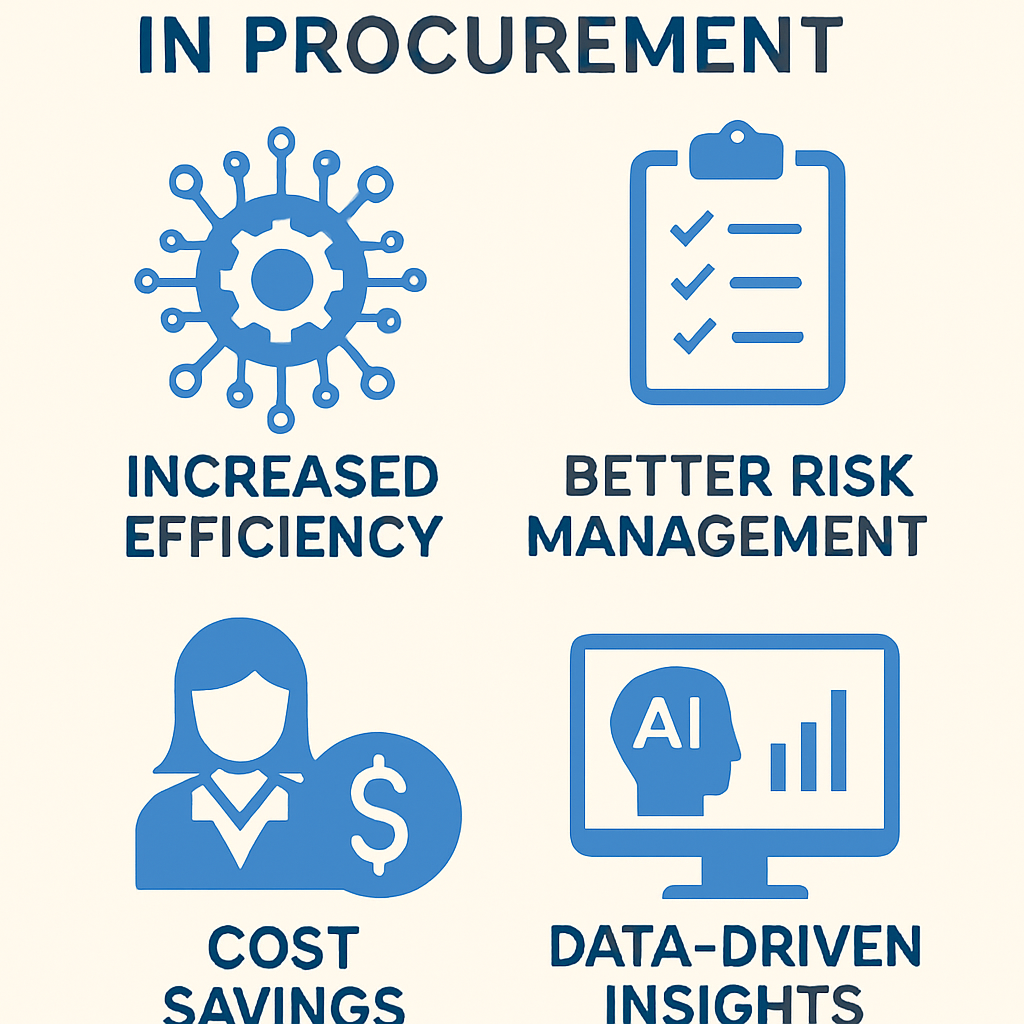
By integrating AI, procurement processes become more efficient. The technology not only cuts down time but also improves outcomes. As a result, businesses witness significant savings and a robust procurement function.
Digital Procurement Solutions: Core Technologies and Trends
Digital procurement solutions encompass a range of cutting-edge technologies. These solutions aim to streamline processes and enhance operational efficiency. They form the backbone of modern procurement strategies.
One core technology is the cloud-based procurement platform. This technology offers scalable and flexible solutions. Companies benefit from anywhere, anytime access to procurement data.
Integration of artificial intelligence into these platforms marks a significant trend. AI capabilities enhance the processing power of digital solutions. It ensures more accurate forecasting and decision-making.
Additionally, blockchain is gaining traction in procurement. It promises improved transparency and traceability. Contracts and transactions are more secure and tamper-proof.
Machine learning further enriches procurement processes. It adapts to patterns in data, providing better predictions over time. This leads to continuously improving procurement strategies.
Furthermore, automation tools contribute significantly. They minimize human error and increase efficiency in repetitive tasks. Processes such as order fulfillment become more streamlined.
Core Technologies and Trends in Digital Procurement
- Cloud-based procurement platforms
- AI integration for enhanced processing
- Blockchain for transparency and security
- Machine learning for adaptive strategies
- Automation tools for improved efficiency

by Creatopy (https://unsplash.com/@creatopy)
Another trend is the rise of mobile procurement applications. These enable real-time decision-making and approvals on the go. Procurement teams stay connected and responsive.
In this evolving landscape, staying updated is crucial. Businesses must continuously adapt to leverage these advancements. Keeping pace ensures sustained competitiveness and optimized procurement functions.
Intelligent Procurement Software: Features and Capabilities
Intelligent procurement software is transforming how businesses operate. This software integrates AI to deliver significant improvements. Companies gain efficiency, accuracy, and strategic insights.
A key feature is predictive analytics. By analyzing historical data, the software forecasts trends. This allows companies to anticipate demand and optimize inventory.
Another crucial capability is supplier management. The software evaluates supplier performance meticulously. It ensures businesses partner with the most reliable vendors.
Workflow automation is also a standout feature. Routine tasks are automated, reducing manual effort. Employees can focus more on strategic responsibilities.
Moreover, real-time data analytics enhances decision-making. Businesses access up-to-date information instantly. This agility leads to improved procurement strategies.
Software scalability is essential for growing companies. Intelligent procurement solutions evolve with business needs. They offer adaptability as companies expand and markets change.
Intelligent software also supports integration with existing systems. It bridges gaps with other business processes. Seamless data flow supports more cohesive operations.
Features and Capabilities of Intelligent Procurement Software
- Predictive analytics for demand forecasting
- Supplier management and evaluation
- Workflow automation for routine tasks
- Real-time data analytics
- Scalability for growing businesses
- Integration capabilities with existing systems
by Brian Abuga (https://unsplash.com/@brianabuga)
Enhanced security measures safeguard sensitive data. With cyber threats on the rise, this is critical. The software offers robust security protocols.
User-friendly interfaces contribute to ease of adoption. Intuitive design minimizes the learning curve. Employees can adopt the software with minimal resistance.
Cost-saving is a direct benefit of intelligent software. Streamlined processes reduce waste and operational costs. The result is enhanced profitability for businesses.
In conclusion, intelligent procurement software is a game-changer. It empowers procurement teams with tools for better efficiency. As businesses face new challenges, such solutions are indispensable.
AI Sourcing Tools and Automation: Streamlining Supplier Management
AI sourcing tools are revolutionizing supplier management. These tools utilize advanced algorithms to optimize sourcing processes. They lead to improved supplier relationships and cost savings.
Automating supplier selection is a key capability. AI tools evaluate suppliers based on performance data. This ensures businesses choose the most suitable partners.
Risk assessment is another vital function. AI tools analyze potential risks associated with suppliers. This proactive approach helps in minimizing business disruptions.
Furthermore, AI enhances contract management. Automation tools streamline contract creation and compliance checks. This reduces errors and speeds up the procurement lifecycle.
AI-driven sourcing also aids in negotiating better terms. By analyzing market trends, AI tools provide valuable insights. Companies can secure favorable deals and pricing.
These tools support strategic sourcing initiatives. They identify new opportunities and optimize procurement strategies. This intelligence leads to sustained competitive advantages.
Operational efficiency is a significant benefit. By reducing manual efforts, AI frees up resources. Procurement teams can focus on more strategic tasks.
Benefits of AI Sourcing Tools in Supplier Management
- Automated supplier evaluation
- Risk assessment and mitigation
- Streamlined contract management
- Enhanced negotiation capabilities
- Support for strategic sourcing
- Increased operational efficiency
by Ferenc Almasi (https://unsplash.com/@flowforfrank)
Collaboration is facilitated through shared platforms. AI tools enable seamless communication with suppliers. This fosters stronger, mutually beneficial partnerships.
The scalability of these tools is crucial for growth. As businesses expand, AI adapts to larger supplier bases. This flexibility ensures continued effectiveness over time.
In summary, AI sourcing tools deliver profound advantages. They reshape supplier management with precision and insight. For businesses aiming to optimize procurement, these tools are indispensable assets.
Mathematical Graph Orchestration and Advanced Analytics in Procurement
Using mathematical graphs to orchestrate AI transforms the way businesses understand and execute procurement networks. By mapping complex relationships and data points across supply chains using node-and-edge logic, this architecture uncovers hidden patterns and interdependencies that traditional models miss.
By mapping these intricate networks, graph-orchestrated AI identifies potential risks early—highlighting bottlenecks, rogue spending, and supply chain inefficiencies before they affect operations. Early detection allows businesses to proactively address issues with absolute precision.
Advanced analytics enhance decision-making capabilities by swiftly processing vast volumes of procurement data through deterministic execution paths. This provides real-time, zero-hallucination insights that directly inform strategic moves.
Supply chain visibility is greatly improved. With deeper insights into supplier performance and market trends, businesses can anticipate changes and adapt instantly. This foresight leads to far more agile and responsive procurement strategies.
The benefits of integrating mathematical graph orchestration with advanced analytics are substantial, offering predictive modeling and scenario analysis crucial for long-term planning.
Key Advantages of Mathematical Graph Orchestration & Analytics
- Visualization of complex networks through structured node paths
- Identification of risks and inefficiencies across multi-tiered supplier systems
- Enhanced decision-making with real-time, deterministic insights
- Improved supply chain visibility anchored in database truths
- Predictive modeling and scenario analysis for proactive cost control
These technologies foster seamless collaboration across departments. By presenting complex relational data in a clear, traceable manner, internal communication improves and teams across the organization can leverage unified insights for aligned strategic planning.
Incorporating these tools provides a distinct competitive edge. With precise data interpretation and orchestration, businesses can optimize procurement processes to achieve maximum efficiency, structural cost savings, and sustainable growth.
Procurement AI Solutions Providers: Leading Companies and Startups
The landscape of procurement AI is bustling with innovation. Many companies and startups are pioneering AI-driven solutions. These providers tailor their offerings to meet diverse business needs.
Established companies, like SAP Ariba, lead the pack. They offer comprehensive AI procurement solutions. Their platforms integrate seamlessly into existing processes, enhancing efficiency.
Startups are making waves in this space too. Firms like spend123.com provide niche solutions. They focus on specific procurement challenges, bringing unique capabilities.
These companies emphasize customization. They understand that each business is unique. Therefore, they tailor their solutions to align with specific organizational goals and sectors.
Noteworthy Procurement AI Providers
- SAP Ariba
- spend123.com
- Jaggaer
- GEP
- Coupa Software
The benefits offered by these AI solutions are manifold. Businesses can expect improved contract management, better supplier relationships, and significant cost savings. With AI, procurement transforms from a cost center into a strategic asset.
The adoption of AI in procurement continues to grow. Forward-thinking companies leverage these providers to stay competitive. They optimize their procurement operations, enhancing value delivery across the supply chain.
Real-World Use Cases: AI-Driven Savings and Efficiency
AI smart tech is making a tangible impact across industries. Real-world examples highlight its potential for procurement. Businesses are realizing significant savings and efficiency improvements.
One notable example is a global electronics company. They utilized AI-driven sourcing tools. These tools analyzed supplier performance and optimized their supply chain. The result? Reduced costs and improved supplier relationships.
In the retail sector, an AI implementation helped a major chain streamline inventory. AI procurement software solutions predicted demand accurately. This led to less overstock and improved cash flow.
A leading automotive company adopted intelligent procurement software. They automated repetitive procurement tasks. This freed up personnel to focus on strategic purchasing decisions.
Healthcare organizations are not left behind. AI solutions identified cost-saving opportunities in procurement contracts. Such insights helped negotiate better terms with suppliers.
Financial institutions, too, leverage AI for procurement. They use AI to ensure compliance and manage risks efficiently. AI procurement solutions have streamlined contract management, reducing errors.
AI-Driven Transformation in Various Industries
- Electronics: Supplier performance optimization
- Retail: Inventory and demand prediction
- Automotive: Task automation and strategic focus
- Healthcare: Contract optimization
- Finance: Compliance and risk management

by Homa Appliances (https://unsplash.com/@homaappliances)
These use cases showcase the potential of AI in business procurement. By leveraging AI, companies achieve more with less. They streamline processes, save on costs, and improve overall efficiency. As adoption continues, the benefits will become even more pronounced. AI-driven savings and efficiency are transforming procurement into a strategic powerhouse for many businesses.
Overcoming Challenges in Procurement Contract Management with AI
Managing procurement contracts can be complex. Numerous challenges exist in this area. AI technology is providing innovative solutions to these challenges.
One major issue in contract management is human error. Errors can lead to costly disputes and compliance issues. AI-driven tools reduce these errors by automating contract review processes.
Another challenge involves the sheer volume of contracts. AI procurement solutions efficiently process large data sets, ensuring timely contract review. This leads to better compliance and fewer risks.
Negotiation is another area where AI makes a difference. AI uses data insights to improve negotiation strategies, achieving more favorable terms.
Monitoring contract performance is often neglected. AI solutions provide real-time analytics, helping to track and enhance contract adherence.
Challenges Addressed by AI in Contract Management
- Reducing human errors
- Streamlining contract review processes
- Enhancing negotiation strategies
- Providing real-time analytics for monitoring
- Improving compliance and reducing risks
by Deng Xiang (https://unsplash.com/@dengxiangs)
By addressing these challenges, AI solutions enhance efficiency. They transform contract management into a more strategic process. The potential for time savings and improved outcomes is vast. With AI's help, companies can focus on broader procurement strategies, reducing operational burdens.
AI in the Supply Chain: Enhancing Transparency and Agility
AI is transforming supply chains by boosting transparency and agility. Businesses benefit from clearer insights and faster responses.
Transparency in supply chains is crucial for tracking products. AI tools provide real-time visibility, enhancing traceability and compliance. This clarity helps in detecting issues early, reducing risks.
Agility is equally important in today's fast-paced market. AI solutions enable quicker adjustments to supply chain disruptions. Predictive analytics forecast potential delays, allowing for proactive measures.
AI technologies also optimize inventory management. By analyzing data, AI predicts demand shifts, aligning resources accordingly. This leads to reduced waste and better resource allocation.
Sustainable practices are furthered through AI's insights. Companies can evaluate suppliers based on environmental impact, encouraging green practices.
Key Benefits of AI in Supply Chain
- Real-time visibility and traceability
- Predictive analytics for proactive measures
- Optimized inventory management
- Enhanced supplier evaluation
- Promotion of sustainable practices
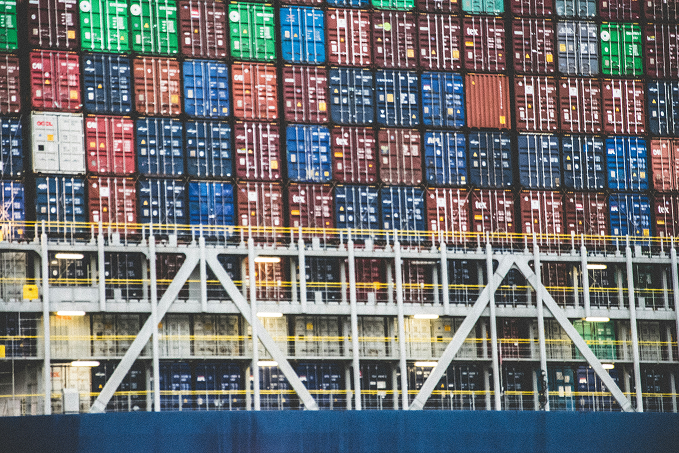
by Nikola Gladovic (https://unsplash.com/@ulixcreative)
Incorporating AI in the supply chain ensures a competitive edge. Companies can respond swiftly to changes while maintaining strategic oversight. These technologies create a more resilient and adaptive supply network, vital for modern business success. AI provides the framework for making informed, sustainable decisions, securing long-term value.
Implementation Roadmap: How to Adopt AI Smart Tech in Procurement
Adopting AI in procurement requires a structured roadmap. It's essential to begin with a clear strategy.
First, assess current procurement processes. Identify areas where AI can introduce the most value. This might include automating repetitive tasks or improving data analysis.
Next, secure executive buy-in. Present the potential benefits and savings AI can bring. Highlight how AI aligns with broader business goals.
Following this, select the right AI tools. Consider tools that fit your specific needs and can integrate with existing systems. Evaluate options based on features, scalability, and vendor support.
Implement AI gradually. Start with pilot projects to test effectiveness and gather feedback. This allows for adjustments before a full-scale rollout.
Steps to Adopt AI in Procurement
- Assess current procurement processes
- Secure executive buy-in
- Choose suitable AI tools
- Implement via pilot projects
- Measure and adjust

by Kevin Wang (https://unsplash.com/@kevin_w_)
Finally, focus on training and change management. Engage procurement teams in learning AI functionalities. Ensure ongoing support to address challenges and facilitate smooth transitions. This approach maximizes the benefits of AI smart tech in procurement, driving efficiency and cost savings.
Measuring ROI and Business Impact of AI Procurement Solutions
Measuring the ROI of AI procurement solutions is crucial. It determines the effectiveness and value-added to the business. Start by defining clear metrics that align with organizational goals.
Quantitative metrics can include savings achieved, reduction in procurement cycle time, and compliance improvements. Analyzing these helps gauge direct financial benefits.
Qualitative metrics are also important. These might involve enhanced supplier relationships, better decision-making, and increased team productivity. They capture the broader, often intangible impacts of AI.
A balanced scorecard approach helps assess both quantitative and qualitative impacts. Regular review and adjustment of these metrics ensure that AI remains aligned with changing business needs.
Metrics to Measure ROI
- Cost savings
- Procurement cycle efficiency
- Supplier relationship quality
- Decision-making improvements

by Morgan Housel (https://unsplash.com/@morganhousel)
Finally, remember that AI's impact extends beyond immediate savings. It supports long-term strategic advantages such as sustainable procurement and market competitiveness. Monitoring and optimizing AI investments will continue to yield benefits across various dimensions of the procurement process.
Future Trends: The Next Wave of AI in Procurement
The future of procurement is bright with AI innovations. New AI tools are set to redefine traditional practices, making them more agile and efficient.
Emerging trends include increased integration of AI with IoT and blockchain, enhancing transparency and data reliability. These technologies enable more sophisticated supply chain tracking and decision-making.
Moreover, predictive analytics will become more advanced, allowing businesses to forecast market trends and demands more accurately. AI's role in sustainable procurement is also expected to grow.
Upcoming AI Trends in Procurement
- Enhanced AI-IoT integration
- Blockchain for supply chain transparency
- Advanced predictive analytics
- Sustainable procurement initiatives
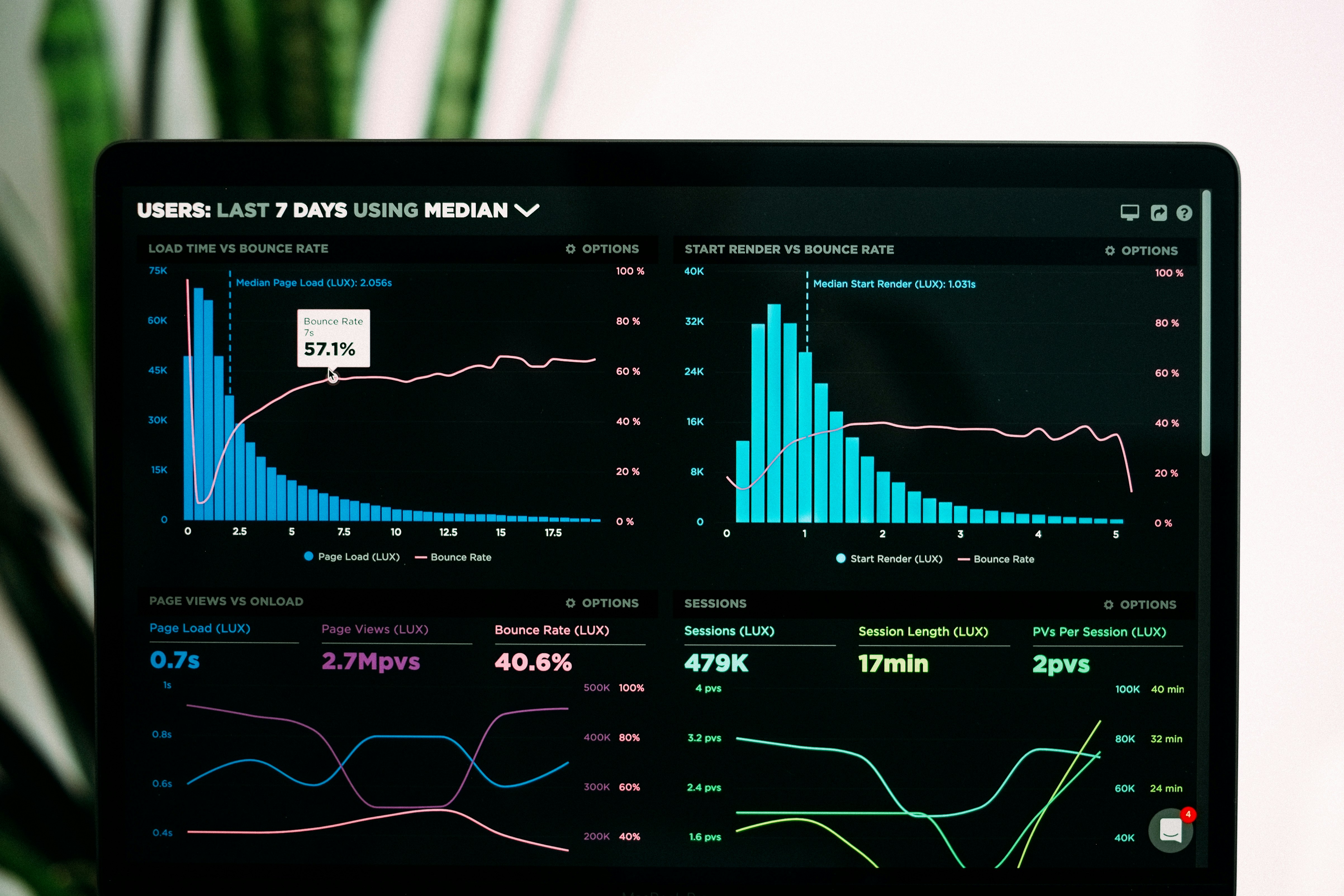
by Luke Chesser (https://unsplash.com/@lukechesser)
As AI continues to evolve, procurement strategies will become even more dynamic and responsive. This shift will support businesses in maintaining a competitive edge in a rapidly changing market landscape.
Conclusion: Embracing AI for Sustainable Procurement and Savings
Adopting AI in procurement is not just a trend—it's a necessity for future success. Businesses that leverage AI smart tech can achieve significant savings and operational efficiency.
AI enables firms to make data-driven decisions swiftly, reducing costs and enhancing supplier relationships. It also supports sustainability by optimizing resource use and minimizing waste.
As companies embrace AI, procurement will transform, leading to lasting benefits. By incorporating AI, businesses position themselves at the forefront of innovation, ensuring competitiveness in the evolving market landscape. Embracing AI today promises a more efficient, responsible, and profitable future in procurement.
Keywords: AI Procurement Tools, AI Tools for B2B Procurement, AI Sourcing Tools
Written by Jeff Golfman and refined with AI assistance.